
Blog Summary: To become a Certified Nursing Assistant (CNA), you typically need a high school diploma or GED, usually be at least 18, complete an approved training programme with at least 75 hours under federal guidelines, and pass the required competency exam. Key skills include patient care, infection control, vital signs monitoring, communication, and teamwork.
Starting a career as a nursing assistant can open the door to many healthcare opportunities. However, you need proper training, certification, and essential skills before entering this field.
Many aspiring healthcare professionals want to know what they need for CNA classes, exams, and certification. Understanding these requirements can help you prepare for the next step.
Understanding CNA Qualifications
A professional working as a certified nursing assistant (CNA) supports patients with daily care needs in different healthcare settings. These professionals often work alongside nurses and other healthcare providers.
The role focuses on patient support, safety, and comfort. CNAs help with tasks such as personal care, mobility support, and monitoring basic health information.
However, CNAs work within a defined scope of practice. They do not diagnose medical conditions or create treatment plans. Their responsibilities depend on state regulations, employer policies, and supervision from licensed healthcare professionals.
As requirements can differ by location, candidates should review their state guidelines before starting the certification process.
Educational Requirements for CNA Training
Many people ask, “Do you need a degree to be a CNA?” In most cases, a college degree is not required for this career path. Most CNA programs require a high school diploma or GED. However, some training providers may have different admission standards.
The educational requirements for CNA programs are usually more accessible than many other healthcare careers. This allows students to begin professional training without spending years in college.
CNA programs must meet state approval standards before students can qualify for certification. Federal guidelines from 42 CFR § 483.152 require approved nurse aide training programs to include at least 75 hours of training.
These programs must also include supervised practical training and competency evaluation requirements.
Before enrolling, candidates should check CNA prerequisites in their state. These requirements may include age limits, health screenings, or other program-specific conditions.
What Do You Need for CNA Classes?
CNA classes prepare students for real patient care situations. These programs combine classroom education with hands-on clinical practice.
Students learn important areas of care, including:
- Patient Safety Procedures
- Basic Nursing Skills
- Infection Control Practices
- Vital Signs Monitoring
- Personal Care Assistance
- Healthcare Communication
Training programs teach students how to assist patients while following proper safety standards. Clinical practice also helps future CNAs build confidence before entering the workplace.
The length of nurse aide training depends on state rules and program design.
Candidates should choose an approved course that meets their state’s certification requirements.
Steps To Become a Nursing Assistant
The process of becoming a CNA involves several important steps. Each stage helps candidates gain the knowledge and skills needed for patient care.
Meet Education And Age Requirements
The first step is checking your state’s eligibility rules. Most programs require candidates to meet education standards before beginning training. Age requirements can vary by state and training provider. Candidates should confirm the minimum age before applying.
Complete An Approved Training Program
Aspiring CNAs must complete an approved education program. The training covers classroom lessons and practical skills.
This experience helps students understand patient care responsibilities and workplace expectations.
Pass The NNAAP Exam
After completing training, candidates usually need to pass a certification exam. The National Nurse Aide Assessment Program (NNAAP) exam is one of the most recognized CNA assessments in the United States.
The exam generally includes two parts:
- Knowledge Test
- Skills Evaluation
The knowledge portion checks understanding of CNA concepts. The skills portion measures practical abilities in a controlled setting.
Exam requirements and passing standards can vary by state. Candidates should follow their state’s certification process for accurate guidance.
Apply For State Certification
After passing the required exam, candidates can apply for placement on their state nurse aide registry. Maintaining certification may require renewal steps, depending on state regulations.
Skills Needed For CNA Careers
Successful nursing assistants need practical skills to provide safe and effective patient care. These abilities help them complete daily responsibilities and work efficiently in different healthcare settings.
Important skills for CNA professionals include:
- Patient Care Skills
- Infection Control Knowledge
- Vital Signs Monitoring
- Documentation Skills
- Time Management
- Problem-Solving Skills
These skills help CNAs follow care procedures, support patients safely, and work effectively with other healthcare professionals.
Qualities You Need as a Nursing Assistant
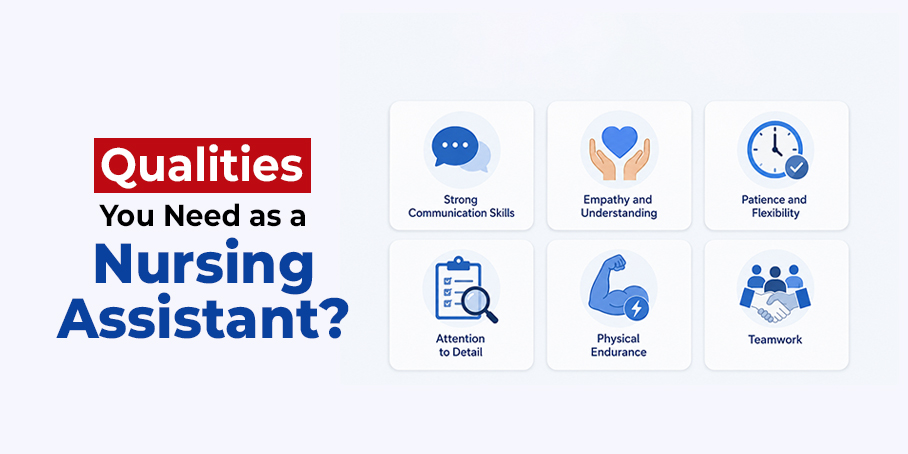
Technical training helps you enter the profession. However, personal qualities help you succeed in a patient-focused role. These characteristics allow nursing assistants to build trust, support healthcare teams, and provide safe care.
Strong Communication Skills
CNAs communicate with patients, families, nurses, and other healthcare professionals. Clear communication helps prevent misunderstandings and supports better patient outcomes.
Listening carefully is also important. Patients often share concerns that may need attention from the nursing team.
Empathy and Understanding
A nursing assistant works with people who may be experiencing illness, injury, or emotional stress. Empathy helps professionals provide respectful and compassionate support.
Understanding each patient’s needs creates a more comfortable care environment.
Patience and Flexibility
Healthcare settings can change quickly. CNAs may support different patients with different needs during the same shift. Patience and flexibility help them adjust while maintaining quality care.
Attention to Detail
Small details can make a difference in patient safety. CNAs must observe changes and communicate important information to licensed nurses.
Accurate reporting and careful observation support effective care decisions.
Physical Endurance
Nursing assistants often spend long periods standing, walking, and assisting patients with daily activities. Physical endurance helps them complete responsibilities safely throughout their workday.
Teamwork
CNAs are an important part of the healthcare team. They collaborate with nurses and other professionals to support patient care.
Strong teamwork creates better communication and improves the overall care process.
Career Opportunities After CNA Certification
After completing CNA training and certification, professionals can work in different healthcare environments. Common workplaces include hospitals, nursing homes, rehabilitation centers, assisted living communities, and home healthcare services.
The daily role may change depending on the facility and patient population. However, the main focus remains providing safe and supportive patient care.
Many certified nursing assistants also use this experience as a foundation for further education and CNA career growth. Some continue their studies to become licensed practical nurses or registered nurses.
The demand for nursing assistants is expected to remain steady as the healthcare industry grows.
According to the Occupational Outlook Handbook: Nursing Assistants and Orderlies by the U.S. Bureau of Labor Statistics, employment of nursing assistants and orderlies is projected to grow 4% from 2023 to 2033.
Ready to Start Your CNA Career?
Becoming a nursing assistant requires preparation, dedication, and a commitment to patient care. Completing approved training, passing the required exam, and developing strong workplace skills can help you begin this career path.
Once you meet the required qualifications, the next step is finding the right healthcare opportunity. Imperial Locum helps healthcare professionals connect with CNA roles and other opportunities that match their skills and career goals.
FAQs
What Are the Basic Requirements to Become a Certified Nursing Assistant?
Most states require CNAs to be at least 18 years old, though some allow younger candidates with approval. A high school diploma or GED, background check, immunizations, and a physical exam are also commonly required.
How Long Does It Take to Become a Certified Nursing Assistant?
CNA training programs usually take 4 to 12 weeks to complete. After finishing the required classroom and clinical training, candidates can take the state exam and receive certification after passing.
Do CNA Requirements Vary Between Different States?
Yes, CNA requirements differ by state. Each state sets its own rules for training hours, exams, fees, age limits, and certification transfer policies.
Where Can I Find Free Certified Nursing Assistant Training Programs?
Free CNA training may be available through community colleges, healthcare facilities, workforce programs, and organizations like the American Red Cross. Some programs also offer financial assistance or scholarships.
How Do I Renew My Certified Nursing Assistant Certification?
Most states require CNA certification renewal every two years. CNAs usually need continuing education, work experience, and a renewal application with the required fee.
How Does CNA Pay Compare With Certified Medical Assistant Salary?
CNAs typically earn less than Certified Medical Assistants because their roles focus mainly on direct patient care. Medical assistants often handle additional clinical and administrative duties.
What Is the Job Outlook for Certified Nursing Assistants?
CNA employment is expected to grow as the aging population increases the need for healthcare support. This steady demand also creates opportunities for travel CNA roles.
How Can Certified Nursing Assistants Advance Their Careers?
CNAs can grow their careers by earning specialty certifications or continuing their education. Many advance to become Licensed Practical Nurses or Registered Nurses through bridge programs.
Do Certified Nursing Assistants Need Continuing Education?
Yes, CNAs must complete continuing education to maintain their skills and certification. Requirements vary by state, but common topics include infection control, patient safety, and healthcare regulations.