Blog Summary: This blog explains what nurse coaching is, what nurse coaches do, and how the role differs from traditional bedside nursing. It also covers the benefits of nurse coaching, the steps to start this career, certification requirements, and how to choose a suitable coaching programme. The blog also discusses where nurse coaches work, salary expectations, career options, and whether this path is right for you.
Do you enjoy helping people make lasting changes to their health? You may also want to use your nursing knowledge beyond traditional bedside care. Many RNs look for roles that combine clinical experience with education, wellness, and personal goals. Nurse coaching can offer that opportunity.
Understanding the Nurse Coach Role
A nurse coach is a registered nurse with specialized coaching training who helps clients set health goals and take practical steps towards achieving them. For RNs considering different career paths, roles such as locum registered nurse jobs can also provide opportunities to build experience across different healthcare settings.
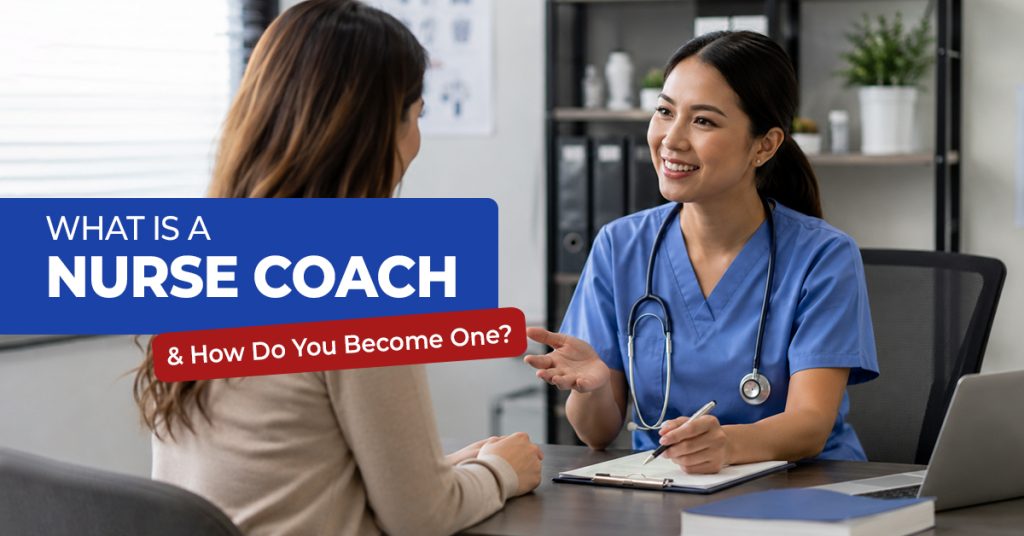
So, what does a nurse coach do in practice? The role brings together nursing knowledge, active listening, education, goal setting, and personalised support. Rather than simply telling clients what to do, nurse coaches help them understand their needs, identify realistic goals, and make informed decisions about their health.
This approach puts the client at the centre of the conversation. The coach asks thoughtful questions, explores potential barriers, and helps the individual develop strategies that fit their lifestyle and priorities.
Nurse coaching also builds on the nursing process while placing greater emphasis on collaboration and client-led goals. For experienced RNs, this can provide another way to apply their clinical knowledge while spending more time on education, wellness, and long-term behaviour change.
What Happens During A Coaching Session?
A coaching session can look different based on the client and work setting. Still, the conversation usually starts with the person’s current needs.
The nurse may ask questions about daily habits, health concerns, or personal goals. The discussion then moves toward realistic actions.
Common activities may include:
- Listening To Client Concerns
- Identifying Personal Goals
- Exploring Barriers
- Discussing Healthy Habits
- Creating Action Steps
- Reviewing Progress
The client remains involved throughout the process. The coach provides guidance without taking control of the person’s decisions.
This approach can help clients take greater ownership of their health. It can also create a stronger focus on practical, achievable goals.
How Nurse Coaching Differs From Bedside Care
Bedside nursing centres on direct clinical care. Nurses may assess patients, administer treatments, monitor changes in condition, provide education, and coordinate care with other healthcare professionals.
Nurse coaching takes a more goal-focused approach. Instead of concentrating primarily on immediate clinical needs, the coach helps clients explore their health goals, recognise barriers, and develop practical strategies for making sustainable changes.
For example, a bedside nurse may educate a patient about a prescribed treatment plan. A nurse coach may help that same individual identify lifestyle barriers that could make it difficult to follow the plan and explore realistic ways to stay on track.
However, nurse coaching does not remove the professional boundaries that apply to registered nurses. An RN working as a nurse coach must follow the Nurse Practice Act and nursing board regulations in the state where they practise.
Within their scope, they may assess, educate, coach, and support clients, but an RN does not gain independent authority to diagnose medical conditions or prescribe treatment simply by becoming a nurse coach. Those activities may require an APRN or nurse practitioner licence and must follow applicable state regulations.
Understanding these boundaries becomes especially important when a nurse coach works independently or considers opening a private practice. Coaching can complement nursing expertise, but it does not replace the legal scope of practice attached to the nurse’s licence.
The Benefits of Nurse Coaching

Nurse coaching can offer several advantages for professionals who want a different career direction.
Skill Development
Coaching can strengthen communication skills. Nurses learn to listen closely and ask purposeful questions. They also learn how to support clients without directing every decision. These skills can help in many healthcare roles.
Renewed Sense of Purpose
Some nurses want more time for meaningful conversations with clients. Coaching can create that opportunity. The work often focuses on personal goals and individual needs. As a result, nurses may find a stronger connection to the people they support.
Flexibility
Coaching professionals can work in different settings. Options may include clinics, wellness programs, community organizations, and private practices.
Some roles may also offer remote services. The available options depend on the employer, state rules, and professional credentials.
Leadership Development
Coaching can help nurses develop leadership skills. The role requires sound judgment, clear communication, and professional boundaries. These abilities can support future opportunities in education, wellness, management, and other areas.
Steps To Start A Nurse Coaching Career
If you are exploring how to become a nurse health coach, begin with your nursing foundation. Your RN license and clinical experience provide an important base.
From there, consider the following steps.
Build Your Nursing Foundation
Strong nursing experience can help you understand patient needs. It also gives you practical knowledge of healthcare systems.
Certification pathways may have specific education and experience requirements. Review those rules before choosing a training program.
Develop Coaching Skills
Next, look for education that covers core coaching skills. Programs may teach communication, goal setting, behavior change, and client support.
Choose training that matches your career goals. Also, check if it supports the certification route you plan to follow.
Complete Supervised Practice
Practical experience is another important step. Supervised coaching allows you to apply what you learn. For example, AHNCC requires qualifying candidates to complete 60 hours of coaching experience with mentoring or supervision from a certified nurse coach.
Prepare For Certification
Certification requirements depend on the credential you choose. AHNCC offers the Nurse Coach Board Certification, known as NC-BC®.
Candidates must meet specific education, RN practice, continuing education, and coaching experience requirements. They must also pass the required examination.
What to Know About Nurse Coach Certification
Becoming certified can add professional credibility. It can also show that you have completed a defined education and assessment process.
AHNCC currently requires a current, unrestricted U.S. RN license for its Nurse Coach Board Certification route. Other requirements include qualifying nursing education, RN practice experience, continuing nursing education, and supervised coaching hours.
The certification exam also tests knowledge of the professional nurse coach role. AHNCC states that the NC-BC® examination contains 140 questions, with 120 scored questions.
Nurses should review the latest requirements before applying. Rules and application details can change.
Finding The Right Coaching Program
Many nurse coaching programs are available today. However, they do not all prepare nurses for the same goals. Some programs focus on general wellness coaching. Others align more closely with professional nurse coaching credentials.
When comparing a course, review:
- Certification Alignment
- Course Content
- Faculty Experience
- Supervised Practice
- Education Hours
- Program Cost
- Learning Format
Also, check the program’s relationship to your intended credential. This step can help you avoid choosing training that does not meet your career plans.
Where Can Nurse Coaches Work?
Nurse coaches can work across several healthcare and wellness settings. Their options depend on their credentials, experience, and professional goals.
Potential settings include:
- Hospitals And Clinics
- Corporate Wellness Programs
- Community Organizations
- Primary Care Practices
- Health And Wellness Companies
- Private Practices
- Educational Programs
Some professionals combine coaching with another nursing role. Others build a dedicated practice.
Independent work can provide more control over scheduling. However, it also brings business responsibilities. These may include marketing, client development, recordkeeping, and maintaining professional boundaries.
How Much Do Nurse Coaches Earn?
There is no single nurse coach salary. Earnings can vary based on location, experience, credentials, employer, and work model. An employed professional may receive a regular salary. An independent coach may charge clients directly.
For broader nursing context, the U.S. Bureau of Labor Statistics reported a median annual wage of $93,600 for registered nurses in May 2024. The agency also projects 5% employment growth for RNs from 2024 to 2034. These figures apply to registered nurses. They do not represent a specific nurse coaching salary.
That distinction matters when researching earning potential. Coaching income can differ greatly from standard RN employment.
Exploring Nurse Coaching Career Options
These roles may appear under different titles. Employers may use terms such as health coach, wellness coach, patient educator, or care coordinator.
Therefore, do not limit your search to one job title. Related positions may include similar responsibilities. You can also explore roles connected to wellness programs, healthcare organizations, and patient education.
The broader nursing job market can also create opportunities for RNs expanding into coaching-related roles. BLS projects about 189,100 openings for registered nurses each year, on average, from 2024 through 2034.
For nurses considering a coaching path, this growing demand can provide additional career options while they build new skills.
Is Nursing Coaching the Right Path for You?
This career path may suit professionals who enjoy listening and educating others. It can also appeal to RNs who prefer goal-focused conversations. Think about your strengths before choosing this path.
Do you enjoy helping people find their own solutions? Are you comfortable discussing habits and personal goals? Do you value education and long-term support?
If you answered yes, coaching may be worth exploring.
However, the role also requires patience and strong boundaries. You must respect client choices and stay within your professional scope.
Start Your Nurse Coaching Journey Today!
RNs can use their clinical knowledge in new ways through this career path. It combines nursing experience with education, communication, and goal-focused support.
The journey starts with a strong nursing foundation. From there, explore suitable training and certification requirements. Then, consider which work setting fits your career goals.
If you are ready to explore your next nursing opportunity, consider how coaching skills could complement your existing experience and open doors to new professional settings. Your nursing career can take many paths, so choose one that aligns with your skills, interests, and long-term goals.
FAQs
What Happens If I Fail the Nurse Coaching Certification Exam?
If you do not pass, you can retake the exam at a reduced cost within one year of your first attempt. You must wait 30 days between attempts and can retest while you remain eligible.
What Are the Benefits of Nurse Coach Certification?
Certification can open doors to remote work, leadership roles, and private practice opportunities. It can also strengthen your skills, increase earning potential, and support career growth.
Do You Need to Be an RN to Become a Nurse Health Coach?
Yes. You need an active, unrestricted RN license to earn the CHC credential or NC-BC certification. Non-licensed clinical staff can complete the coursework but receive a Certificate of Completion.
How Long Does It Take to Become a Nursing Health Coach?
Health coaching certification typically takes 3 to 6 months for nurses studying while working full-time. The complete NC-BC pathway can take 6 to 18 months, depending on your pace.
What Is the Difference Between NC-BC and HWNC-BC?
AHNCC awards both credentials and requires the same exam. HWNC-BC also requires AHNCC Holistic Certification, while NC-BC follows the standard board certification requirements.
Can You Build a Private Practice as a Nurse Health Coach?
Yes, nurse health coaches can explore private practice opportunities. Reimbursement options may vary, so reviewing CPT coding and applicable billing pathways can help you understand your options.
What Is Motivational Interviewing in Nurse Coaching?
Motivational Interviewing (MI) is a research-supported approach that helps patients find their own motivation for change. It is widely used in chronic disease and lifestyle coaching.