
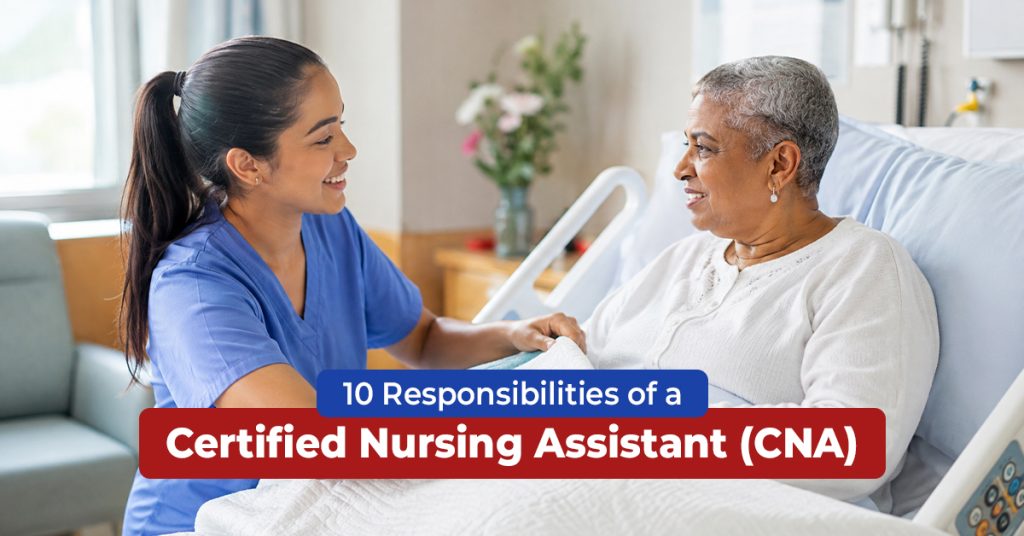
A patient may need help with simple tasks that once felt easy. Getting dressed, moving safely, eating a meal, or taking a bath can become difficult after illness, injury, or age-related changes.
This is where a certified nursing assistant (CNA) can make a real difference. Nursing assistants provide hands-on support under the direction of nurses and other healthcare professionals. They also spend a lot of time with patients, which helps them notice changes in
- Comfort
- Behavior
- Daily Needs
Many CNAs work in hospitals, nursing homes, and home care settings. Some professionals also choose flexible opportunities, such as CNA Travel Contract Jobs, to gain experience while supporting patients in different healthcare environments.
So, what does a CNA do during a typical shift? The answer depends on the work setting. However, most roles include personal care, patient support, safety checks, observation, and communication.
10 Key CNA Responsibilities
A nursing aide performs several important tasks that support patient comfort, safety, and daily care needs. From assisting with personal activities to communicating patient concerns, nursing assistants play a valuable role in the healthcare team.
The following responsibilities explain the common duties CNAs handle across different care settings.
1. Help With Personal Care
Personal care is one of the most common duties of nursing assistants. Many patients need help with daily hygiene and grooming.
A nurse aide may assist with:
- Bathing or Showering
- Brushing Teeth
- Hair Care
- Dressing and Changing Clothes
- Toileting
- Basic Skin Care
For example, a patient recovering from surgery may have limited movement. The nursing assistants can provide support while helping the person maintain comfort and dignity.
Good communication matters during these tasks. A respectful approach can help patients feel safe and comfortable.
2. Support Safe Patient Movement
Many patients have difficulty walking or changing positions. A patient care assistant helps them move safely while following the care plan.
This can include helping a person:
- Get In and Out of Bed
- Walk to the Bathroom
- Move From a Bed to a Chair
- Reposition in Bed
- Use a Walker or Wheelchair
Fall prevention is also an important part of this role. The care assistant checks for hazards and uses approved techniques and equipment.
For example, a patient with limited balance may need assistance before standing. The CNA can provide the required support and report concerns to the nurse.
3. Check And Report Vital Signs
Depending on state rules, training, and the care setting, nursing aides may check basic vital signs. These can include:
- Temperature
- Pulse
- Breathing Rate
- Blood Pressure
The numbers are useful, but the aide’s observations also matter.
A patient may appear unusually tired or confused. Their appetite may suddenly change. They may also complain of pain.
A CNA should report important changes to the supervising nurse or appropriate healthcare professional. They should not diagnose a condition or make clinical decisions outside their scope.
This makes observation an important part of nurse assistant job responsibilities.
4. Assist With Meals And Nutrition
Eating can become difficult for people with mobility problems, illness, or other health concerns. Patient care aides can provide practical support during meals.
In hospitals and nursing homes, CNAs typically deliver meal trays, set up the eating area, and assist patients with eating when permitted. In home care settings, meal preparation may also be part of the CNA’s assigned duties, depending on the employer and state rules.
Their tasks may include:
- Delivering Meal Trays
- Setting Up The Eating Area
- Helping A Patient Sit Safely
- Assisting With Eating When Permitted
- Recording Food or Fluid Intake When Required
Patient care assistants may also notice changes in appetite. A patient who suddenly eats much less than usual may need further attention.
For example, a nursing aide working with an older adult may notice that the person is struggling to chew or swallow. Reporting this change can help the care team respond quickly.
5. Maintain Patient Records
Accurate documentation supports safe and consistent care. CNAs may record information in accordance with their roles and workplace procedures.
This can include details about:
- Vital Signs
- Food and Fluid Intake
- Personal Care
- Mobility
- Patient Behavior
- Changes in Physical Condition
Clear notes help other members of the care team understand what happened during a shift.
For example, if a patient has a noticeable change in mobility, the CNA should document and report the observation according to facility policy.
Good documentation is therefore an important part of a CNA position description.
6. Keep Patients Safe
Safety remains a major part of nursing aides’ daily duties. Patients may face risks of falls, infections, limited mobility, or unsafe environments.
A patient support staff member can help reduce these risks by keeping the care area organized and following infection prevention practices.
They may also check that:
- Walkways Remain Clear
- Mobility Aids Are Available
- The Bed Is Positioned Safely
- Personal Items Are Within Reach
- Basic Hygiene Practices Are Followed
For example, a loose item on the floor can create a fall risk. Removing the hazard or reporting it can help protect the patient.
7. Provide Emotional Support
Good care involves more than physical assistance. Patients may feel lonely, anxious, frustrated, or afraid.
Care assistants often spend significant time with patients. This gives them opportunities to offer reassurance and companionship.
Simple actions can help. Listening carefully, speaking respectfully, and giving patients time to respond can improve their experience.
For example, a patient staying in a nursing home may feel isolated from family. A short conversation during a daily care routine can provide comfort.
This human connection is an important part of the nursing assistant role.
8. Support The Care Environment
CNAs may also handle routine tasks that help keep the care environment ready for patients. These duties can vary by setting, employer, and state regulations.
Depending on the workplace, a nurse aide may help with tasks such as:
- Restocking Basic Care Supplies
- Sanitizing Approved Equipment
- Organizing Patient Care Items
- Preparing Supplies For Routine Care
They may also help maintain an orderly care area and report supply needs to the appropriate staff member.
Certified nursing assistants should always follow facility policies and the instructions of the supervising healthcare professional. They should only perform environmental tasks that fall within their training and assigned duties.
9. Communicate With The Care Team
Communication is a key part of a nurse aide’s duties. Nursing assistants often notice small changes because they work closely with patients throughout the day.
They should report relevant concerns to the nurse or other appropriate team member.
These concerns may include:
- New Pain
- Changes in Appetite
- Trouble Walking
- Confusion
- Skin Changes
- Changes in Mood
- Difficulty Sleeping
For example, a patient care assistant may notice that a normally active patient is suddenly having trouble standing. Reporting this change allows the clinical team to assess the situation.
Strong communication also helps nurses, physicians, families, and support staff stay informed.
10. Follow Infection Prevention Practices
CNAs help protect patients by following proper infection prevention procedures during daily care activities. These practices reduce the risk of spreading infections in healthcare settings.
Their responsibilities may include:
- Washing Hands Before And After Patient Care
- Using Personal Protective Equipment When Required
- Following Hygiene Guidelines
- Handling Used Items Safely
- Reporting Possible Infection Concerns
For example, a nursing assistant caring for multiple patients must follow proper hygiene steps between tasks. This helps create a safer environment for patients and healthcare workers.
CNA Duties In Different Settings
The daily role can look different depending on where a CNA works. Understanding these differences can help new professionals choose the right career path.
Nursing Assistant Duties In Nursing Homes
This often involves ongoing support for several residents. The work may include personal care, mobility assistance, meals, hygiene, vital signs, documentation, and safety checks.
According to Wikipedia, about 1.4 million residents live in nursing homes across the U.S., and CNAs provide much of their daily hands-on care. This can include:
- Feeding
- Bathing
- Mobility Support
- Hygiene
- Other Essential Daily Tasks
The figure highlights the importance of nursing care aides to the daily experience and safety of long-term care residents.
Nurse Aide Duties In Home Care
A certified nursing assistant can work in a patient’s home. They help patients with daily care needs.
Their duties may include bathing, dressing, toileting, meals, and mobility support. They may also observe patients and report changes to the care team.
For example, a nursing assistant may help an older adult get ready in the morning. They may assist with bathing and dressing. They may also prepare a simple meal or help the patient move safely.
The exact duties depend on the employer and the patient’s needs. State rules may also affect the role.
People searching for CNA home care jobs should review each job description carefully. This helps them understand the duties and requirements.
What Are The CNA Job Requirements?
The requirements for a nursing care aide role vary by state and employer. However, candidates commonly need approved training and certification.
Understanding the difference between a CNA and a nursing assistant can also help candidates choose the right career path and understand the training expectations for these roles.
Employers may also look for:
- Strong Communication Skills
- Compassion and Patience
- Reliable Attendance
- Basic Patient Care Knowledge
- Safe Transfer and Mobility Skills
- Attention to Detail
- Good Documentation Habits
- Ability to Follow Care Instructions
- Physical Ability to Perform Assigned Tasks
Experience can also help. Candidates with experience in nursing homes, home care, rehabilitation, or other healthcare environments may bring useful practical skills.
Most importantly, employers want direct care workers who take patient safety seriously and treat people with respect.
Skills That Help Certified Nursing Assistants Succeed
Technical knowledge is important, but soft skills also matter. A successful CNA needs patience during stressful moments.
They should listen carefully and communicate clearly. They should also know when to ask for help.
Time management is another useful skill. CNAs may need to support several patients during one shift.
Attention to detail matters too. A small change in a patient’s behavior or physical condition may need to be reported.
These skills can help aspiring nursing assistants build trust with patients and work effectively with the wider healthcare team.
As professionals build experience and develop their skills, many also consider career growth opportunities and factors such as how much certified nursing assistants make across different healthcare settings.
Start Your CNA Career Today!
A nursing assistant plays an important role in daily patient care. The work involves much more than completing routine tasks. Nursing care aides help people stay comfortable, safe, clean, and supported throughout their care.
The responsibilities can also change based on the setting. Nursing homes may involve ongoing resident care. Home health and home care roles can provide support within a patient’s own environment.
If you are considering a career as a CNA, understanding the role is a useful first step. Review the training requirements in your state and look for positions that match your skills, experience, and career goals.
FAQs
What Steps Are Required to Become a CNA?
To become a CNA, you must meet the eligibility criteria and complete the application process. After approval, you need to pass the written and skills sections of the NNAAP® examination.
Can I Work as a Nurse Aide Before Receiving Certification?
Students in approved training programs may complete required duties during their training period. However, they can only perform tasks they have learned and received approval from their instructor for.
What Is the Process for Requesting Exam Accommodations?
You must request special accommodations before taking the exam. The request should include documents from a physician or another approved professional.
Which CNA Exam Option Should I Choose?
Candidates who have difficulty reading English may choose the Oral Examination option instead of the Written Examination. This version includes reading comprehension questions related to job terms.
How Long Do I Have to Complete Both CNA Exams?
Candidates must pass both exams within two years after completing their approved training program, based on federal regulations.